Gátlisti til að draga úr OTP áhættu fyrir fyrirtæki sem nota tímabundinn póst í QA/UAT
Gátlisti í fyrirtækjaflokki til að draga úr OTP áhættu þegar teymi nota tímabundinn tölvupóst meðan á QA og UAT stendur - sem nær yfir skilgreiningar, bilanastillingar, snúningsstefnu, endursenda glugga, mælikvarða, persónuverndarstýringar og stjórnun svo vara, QA og öryggi haldist í takt.
Fljótur aðgangur
TL; DR
1) Skilgreindu OTP áhættu í QA/UAT
2) Gerðu ráð fyrir algengum bilunarstillingum
3) Aðskilið umhverfi, aðskilin merki
4) Veldu réttu pósthólfsstefnuna
5) Koma á endursenda glugga sem virka
6) Fínstilltu stefnu um snúning léns
7) Tæki rétta mælikvarða
8) Búðu til QA leikbók fyrir toppa
9) Örugg meðhöndlun og persónuverndarstýringar
10) Stjórnarhættir: Hver á gátlistann
Samanburðartafla - Snúningur vs enginn snúningur (QA/UAT)
Hvernig
Algengar spurningar
TL; DR
- Meðhöndla OTP áreiðanleika sem mælanlegt SLO, þar með talið árangurshlutfall og TTFOM (p50/p90, p95).
- Aðskilja QA/UAT umferð og lén frá framleiðslu til að forðast að eitra orðspor og greiningar.
- Staðla endursenda glugga og loka snúningum; Skiptu aðeins eftir agaðar tilraunir.
- Veldu pósthólfsaðferðir eftir prófunartegund: endurnýtanlegt fyrir aðhvarf; stuttur líftími fyrir springur.
- Mælikvarðar sendanda×léns með bilanakóðum og framfylgja ársfjórðungslegri eftirlitsskoðun.
Gátlisti til að draga úr OTP áhættu fyrir fyrirtæki sem nota tímabundinn póst í QA/UAT
Hér er snúningurinn: OTP áreiðanleiki í prófunarumhverfi er ekki aðeins "pósthlutur". Það er samspil tímasetningarvenja, orðspors sendanda, gráskráningar, lénavals og hvernig teymin þín hegða sér undir álagi. Þessi gátlisti breytir þeirri flækju í sameiginlegar skilgreiningar, handrið og sönnunargögn. Fyrir lesendur sem eru nýir í hugmyndinni um tímabundin pósthólf geturðu farið á undan og rennt yfir meginatriði Temp Mail fyrst til að kynna þér hugtökin og grunnhegðun.
1) Skilgreindu OTP áhættu í QA/UAT
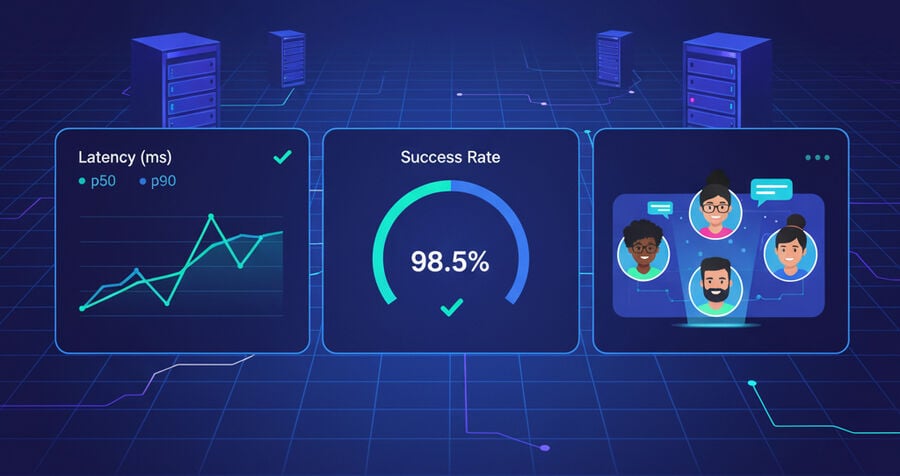
Stilltu sameiginleg hugtök þannig að QA, öryggi og vara tali sama tungumálið um áreiðanleika OTP.
Hvað þýðir "OTP árangurshlutfall"
Árangurshlutfall einnota lykilorða er hlutfall einnota lykilorðabeiðna sem leiða til þess að gildur kóði er móttekinn og notaður innan stefnugluggans þíns (td tíu mínútur fyrir prófunarflæði). Fylgstu með því eftir sendanda (forritinu/síðunni sem gefur út kóðann) og eftir viðtökulénssafninu. Útiloka tilvik þar sem notendur eru yfirgefnir sérstaklega til að koma í veg fyrir að atvikagreining þynnist út.
TTFOM p50/p90 fyrir lið
Notaðu Time-to-First-OTP Message (TTFOM) - sekúndurnar frá "Senda kóða" til fyrstu komu í pósthólfið. Mynd p50 og p90 (og p95 fyrir álagspróf). Þessar dreifingar sýna biðraðir, inngjöf og gráan lista, án þess að reiða sig á sögur.
Rangar neikvæðar vs sannar bilanir
"Falskt neikvætt" á sér stað þegar kóði er móttekinn en flæði prófunaraðilans hafnar honum - oft vegna App ástand , Skipt um flipa eða útrunnnir tímamælar . "Sannur bilun" er engin koma innan gluggans. Aðgreindu þá í flokkunarfræði þinni; aðeins raunverulegar bilanir réttlæta snúning.
Þegar sviðsetning skekkir afhendingu
Sviðsetningarendapunktar og tilbúið umferðarmynstur kalla oft á gráan lista eða forgangsröðun. Ef grunnlínan þín er verri en framleiðslan er búist við því: umferð sem ekki er mannleg dreifist öðruvísi. Stutt kynning á nútímahegðun væri gagnleg; vinsamlegast skoðaðu hnitmiðað yfirlit Temp Mail árið 2025 til að fá útskýringu á því hvernig einnota pósthólfsmynstur hafa áhrif á afhendingu meðan á prófunum stendur.
2) Gerðu ráð fyrir algengum bilunarstillingum
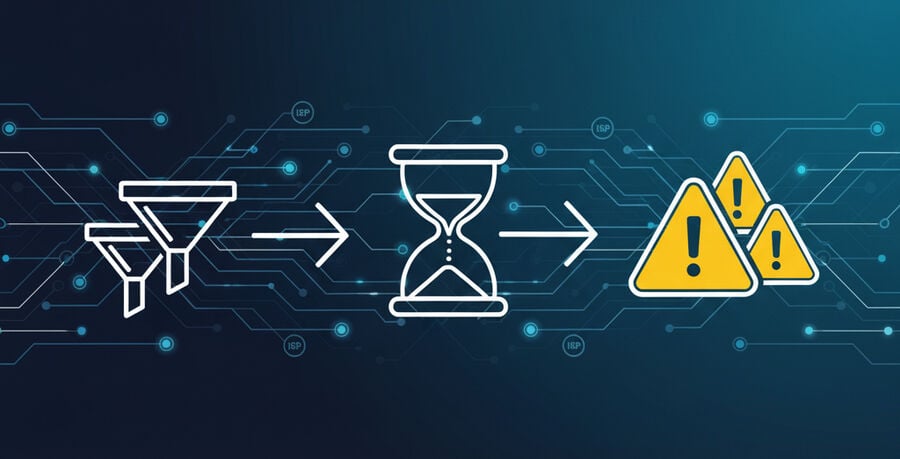
Kortleggðu afhendingargildrurnar sem hafa mestan áhrif svo þú getir komið í veg fyrir þær með stefnu og verkfærum.
Grálisti og orðspor sendanda
Grálisti biður sendendur um að reyna aftur síðar; Fyrstu tilraunir geta tafist. Nýjar eða "kaldar" sendendalaugar þjást líka þar til orðspor þeirra hlýnar. Búast má við p90 toppum á fyrstu klukkustundum tilkynningaþjónustu nýbyggingar.
ISP ruslpóstsíur og kaldar laugar
Sumir veitendur beita þyngri skoðun á köldum IP-tölum eða lénum. QA keyrslur sem sprengja OTP úr ferskum laug líkjast herferðum og geta hægt á ógagnrýnum skilaboðum. Upphitunarraðir (lítill, venjulegur styrkur) draga úr þessu.
Gjaldtakmörk og hámarksþrengsli
Sprungnar endursendingarbeiðnir geta ferðahraðatakmarkanir. Undir álagi (td söluviðburðir, leikjakynningar) lengjast biðraðir sendanda og breikka TTFOM p90. Gátlistinn þinn ætti að skilgreina endursenda glugga og takmarkanir á endurtilraunum til að forðast sjálfskapaða hægagang.
Notendahegðun sem truflar flæði
Flipaskipti, bakgrunnsuppsetning farsímaforrits og afritun rangs samnefnis getur allt valdið höfnun eða fyrningu, jafnvel þegar skilaboð eru send. Bakaðu "vertu á síðunni, bíddu, sendu einu sinni aftur" afrit inn í HÍ örtexta fyrir próf.
3) Aðskilið umhverfi, aðskilin merki
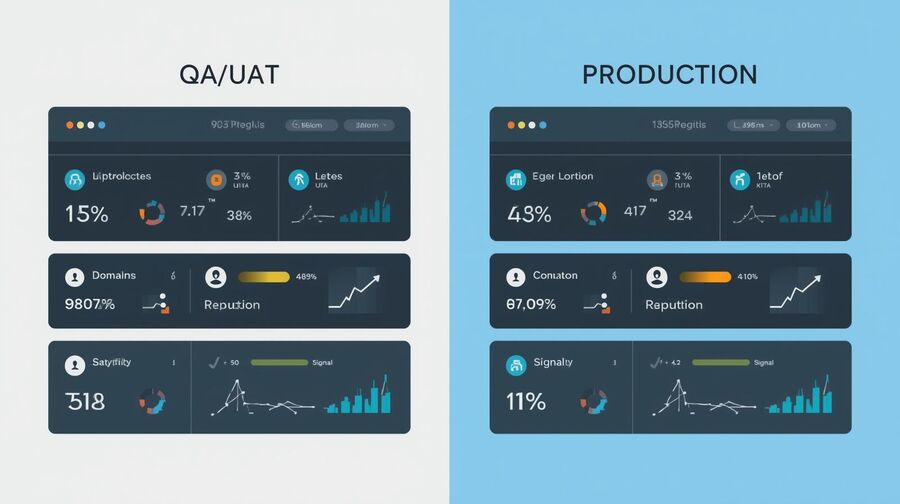
Einangraðu QA/UAT frá framleiðslu til að forðast að eitra orðspor sendanda og greiningar.
Sviðsetning vs framleiðslulén
Viðhalda aðskildum sendendalénum og svara auðkennum í sviðsetningarskyni. Ef einnota prófunartæki leka inn í framleiðslulaugar muntu læra rangar lexíur og gæti dregið úr orðspori nákvæmlega á því augnabliki sem framleiðsluþrýstingur þarfnast þess.
Prufureikningar og kvótar
Úthlutaðu nafngreindum prufureikningum og úthlutaðu kvóta á þá. Handfylli af öguðum prófauðkennum slær hundruð tilfallandi sem sleppa tíðni heuristics.
Tilbúnir umferðargluggar
Keyrðu tilbúna OTP umferð í glugga utan háannatíma. Notaðu stuttar lotur til að prófíla leynd, ekki endalaus flóð sem líkjast misnotkun.
Endurskoðun póstfótsporsins
Skrá yfir lén, IP-tölur og veitur sem prófin þín snerta. Staðfestu að SPF/DKIM/DMARC séu í samræmi við sviðsetningu auðkenna til að forðast að blanda saman auðkennisbilunum og afhendingarvandamálum.
4) Veldu réttu pósthólfsstefnuna
Gætirðu ákveðið hvenær á að endurnýta heimilisföng á móti skammlífum pósthólfum til að koma á stöðugleika í prófunarmerkjum?
Endurnýtanleg heimilisföng fyrir aðhvarfsgreiningu
Fyrir lengdarpróf (aðhvarfssvítur, endurstillingarlykkjur fyrir lykilorð) viðheldur endurnýtanlegt heimilisfang samfellu og stöðugleika. Enduropnun sem byggir á táknum dregur úr hávaða yfir daga og tæki, sem gerir það tilvalið til að bera saman svipaðar niðurstöður yfir margar byggingar. Vinsamlegast skoðaðu rekstrarupplýsingarnar í 'Endurnotaðu tímabundið póstfang' til að fá leiðbeiningar um hvernig á að opna nákvæmlega pósthólfið aftur á öruggan hátt.
Stuttur endingartími fyrir sprengjuprófun
Fyrir einskiptistoppa og könnunargæðaeftirlit lágmarka pósthólf með stuttan líftíma leifar og draga úr mengun á lista. Þeir hvetja einnig til hreinna endurstillinga á milli atburðarása. Ef próf þarf aðeins einn OTP, passar skammlíft líkan eins og 10 Minute Mail vel.
Tákn-undirstaða bataagi
Ef endurnýtanlegt prófunarpósthólf skiptir máli skaltu meðhöndla táknið eins og skilríki. Þú getur geymt það í lykilorðastjóra undir merki prófunarsvítunnar með hlutverkatengdum aðgangi.
Að forðast árekstra við heimilisfang
Alias slembiröðun, grunn ASCII og fljótleg sérstöðuathugun koma í veg fyrir árekstra við gömul prófföng. Staðlaðu hvernig þú nefnir eða geymir samheiti fyrir hverja svítu.
5) Koma á endursenda glugga sem virka
Dragðu úr "reiði endursendingu" og fölskum inngjöfum með því að staðla tímasetningarhegðun.
Lágmarks bið áður en þú sendir aftur
Eftir fyrstu beiðnina skaltu bíða í 60–90 sekúndur áður en ein skipulögð endurtilraun kemur. Þetta kemur í veg fyrir að grálisti sé í fyrsta lagi og heldur biðröðum sendenda hreinum.
Einstök skipulögð endurtaka
Leyfðu eina formlega endurtekna tilraun í prófunarhandritinu og gerðu síðan hlé. Ef p90 lítur út fyrir að vera teygður á tilteknum degi skaltu stilla væntingar frekar en að spamma endurteknar tilraunir sem rýra árangur allra.
Meðhöndlun forritaflipaskipta
Kóðar ógilda oft þegar notendur setja forritið í bakgrunn eða fletta í burtu. Í QA forskriftum skaltu bæta við "vera áfram á skjánum" sem skýrt skref; fanga OS/bakgrunnshegðun í annálum.
Handtaka tímamæli fjarmælingar
Skráðu nákvæma tímastimpla: beiðni, endursenda, komu í pósthólf, kóðafærslu, samþykkja/hafna stöðu. Merktu atburði eftir sendanda og Domainorensics eru möguleg síðar.
6) Fínstilltu stefnu um snúning léns
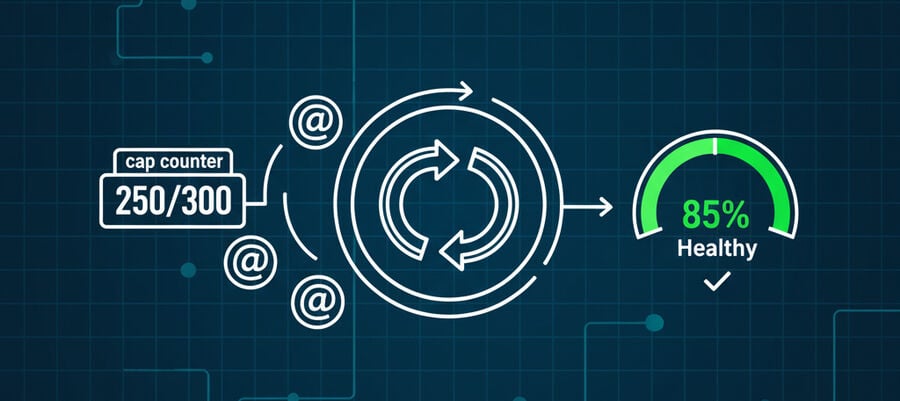
Snúðu snjallt til að komast framhjá gráum lista án þess að sundra prófanleika.
Snúningsþak á hvern sendanda
Sjálfvirkur snúningur ætti ekki að skjóta á fyrsta missi. Skilgreindu þröskulda eftir sendanda: t.d. skiptu aðeins eftir að tveir gluggar bila fyrir sama sendanda×lénspar – takmarkaðu lotur við ≤2 snúninga til að vernda orðspor.
Sundlaugarhreinlæti og TTL
Safnaðu lénslaugum með blöndu af gömlum og ferskum lénum. Hvíldu "þreytt" lén þegar p90 rekur eða árangur lækkar; endurinnlögn eftir bata. Stilltu TTL við próftaktinn svo sýnileiki innhólfsins sé í takt við endurskoðunargluggann þinn.
Límanleg leið fyrir A/B
Þegar þú berð saman byggingar skaltu halda áfram að leiða klístraða: sami sendandi leiðir til sömu lénsfjölskyldu í öllum afbrigðum. Þetta kemur í veg fyrir krossmengun mælinga.
Mæling á virkni snúnings
Snúningur er ekki tilfinning. Berðu saman afbrigði með og án snúnings undir eins endursendingargluggum. Fyrir dýpri rökstuðning og handrið, sjá Domain Rotation for OTP í þessari útskýringu: Domain Rotation for OTP.
7) Tæki rétta mælikvarða
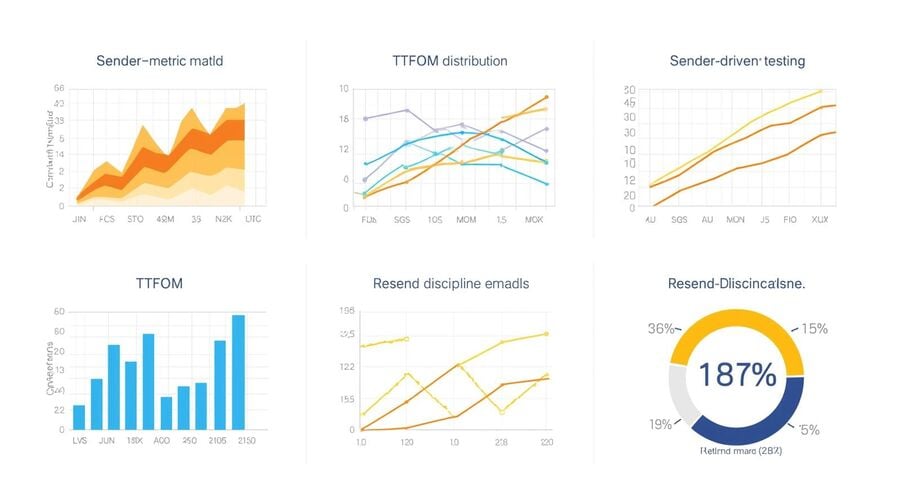
Gerðu árangur OTP mælanlegan með því að greina leynddreifingu og úthluta rótarorsökmerkjum.
OTP árangur eftir sendanda × léni efsta línu SLO ætti að vera sundurliðað með sendanda × lénsfylki, sem sýnir hvort vandamálið liggur hjá vefsvæði/forriti eða léninu sem notað er.
TTFOM p50/p90, p95
Miðgildi og hala biðtími segir mismunandi sögur. p50 gefur til kynna daglega heilsu; P90/P95 sýnir streitu, inngjöf og biðraðir.
Endursenda aga %
Fylgstu með hlutfalli funda sem fylgdu opinberu endursendingaráætluninni. Ef þú ert ósáttur of snemma, gefðu þeim prófunum afslátt frá niðurstöðum um afhendingu.
Bilunarflokkunarkóðar
Taktu upp kóða eins og GL (gráskráning), RT (hraðamörk), BL (lokað lén (samskipti notenda/flipaskipti) og OT (annað). Krefjast kóða á atviksskýringum.
8) Búðu til QA leikbók fyrir toppa

Höndlaðu umferðarsprengjur í leikjakynningum eða fintech cutovers án þess að tapa kóða.
Upphitunarhlaup fyrir viðburði
Keyrðu venjulegar OTP sendingar á lágu gengi frá þekktum sendendum 24–72 klukkustundum áður en orðsporið nær hámarki. Mældu p90 stefnulínur yfir upphitunina.
Bakkað snið eftir áhættu
Festu bakkúrfur við áhættuflokka. Fyrir venjulegar síður, tvær endurteknar tilraunir á nokkrum mínútum. Fyrir áhættusama fjártækni leiða lengri gluggar og færri endurtekningar til þess að færri fánar eru dregnir upp.
Canary snúningar og viðvaranir
Á meðan á viðburði stendur, láttu 5–10% OTP fara í gegnum kanarílén undirmengi. Ef kanarífuglar sýna hækkandi p90 eða fallandi árangur skaltu snúa aðallauginni snemma.
Símboðs- og afturkveikjur
Skilgreindu tölulegar kveikjur - td OTP árangur fer niður fyrir 92% í 10 mínútur, eða TTFOM p90 fer yfir 180 sekúndur - til að leita að starfsfólki á vakt, víkka glugga eða skera yfir í hvíldarlaug.
9) Örugg meðhöndlun og persónuverndarstýringar

Varðveita friðhelgi notenda á sama tíma og tryggja áreiðanleika prófana í eftirlitsskyldum atvinnugreinum.
Prófunarpósthólf fyrir móttöku eingöngu
Notaðu tímabundið netfang sem aðeins er tekið á móti til að hemja misnotkunarvektora og takmarka hættu á útleið. Meðhöndla viðhengi sem utan gildissviðs fyrir QA/UAT pósthólf.
24 tíma skyggni gluggar
Prófunarskilaboð ættu að vera sýnileg ~24 klukkustundum frá komu og hreinsa síðan sjálfkrafa. Sá gluggi er nógu langur fyrir yfirferð og nógu stuttur fyrir næði. Til að fá yfirlit yfir stefnu og ráðleggingar um notkun, safnar Temp Mail Guide sígrænum grunnatriðum fyrir teymi.
GDPR/CCPA sjónarmið
Þú getur notað persónuupplýsingar í prufupósti; forðast að fella PII inn í skilaboðakjarna. Stutt varðveisla, sótthreinsað HTML og myndumboð draga úr útsetningu.
Skrá yfir og aðgangur
Skrúbbaðu annála fyrir tákn og kóða; Kjósa hlutverkatengdan aðgang að innhólfstáknum. Gætirðu geymt eftirlitsslóð fyrir hver opnaði aftur hvaða prófunarpósthólf og hvenær?
10) Stjórnarhættir: Hver á gátlistann
Úthlutaðu eignarhaldi, takti og sönnunargögnum fyrir hverja stjórn í þessu skjali.
RACI fyrir OTP áreiðanleika
Nefndu ábyrgan eiganda (oft QA), ábyrgan styrktaraðila (öryggi eða vara), samráð (innvið/tölvupóstur) og upplýstan (stuðning). Birtu þetta RACI í endurhverfinu.
Ársfjórðungslegar eftirlitsumsagnir
Á hverjum ársfjórðungi eru sýniskeyrslur gerðar á gátlistanum til að sannreyna að endursenda glugga, snúningsþröskulda og mælimerki séu enn framfylgt.
Sönnunargögn og prófunargripir
Hengdu skjámyndir, TTFOM dreifingar og sendanda×lénstöflur við hverja stýringu - geymdu tákn á öruggan hátt með tilvísunum í prófunarsvítuna sem þeir þjóna.
Stöðugar umbætur lykkjur
Þegar atvik eiga sér stað skaltu bæta leik/and-mynstri við hlaupabókina. Stilltu þröskulda, uppfærðu lénshópa og uppfærðu afritið sem prófunaraðilar sjá.
Samanburðartafla - Snúningur vs enginn snúningur (QA/UAT)
| Stjórnunarstefna | Með snúningi | Án snúnings | TTFOM p50/p90 | OTP árangur % | Áhættuskýringar |
|---|---|---|---|---|---|
| Grunur um gráan lista | Snúðu eftir tvær biðir | Haltu domaiDomain | / 95s | 92% | Snemma snúningur hreinsar 4xx bakslag |
| Hæstu biðraðir sendenda | Snúðu ef p90 | Framlengja bið | 40s / 120s | 94% | Bakslag + lénsbreyting virkar |
| Kaldur sendandi laug | Hlýtt + snúið kanarífugl | Aðeins hlýtt | 45s / 160s | 90% | Snúningur hjálpar við upphitun |
| Stöðugur sendandi | Snúningur á húfu við 0–1 | Enginn snúningur | 25s / 60s | 96% | Forðastu óþarfa brottfall |
| Lén merkt | Skipta um fjölskyldu | Reyndu aftur sama | 50 / 170 | 88% | Skipting kemur í veg fyrir endurteknar blokkir |
Hvernig
Skipulagt ferli fyrir OTP prófun, aga sendanda og aðskilnað umhverfis - gagnlegt fyrir QA, UAT og framleiðslueinangrun.
Skref 1: Einangra umhverfi
Búðu til aðskilin QA/UAT auðkenni sendenda og lénslaugar; Aldrei deila með framleiðslunni.
Skref 2: Staðla endursendingartíma
Bíddu í 60–90 sekúndur áður en þú reynir eina endurtekna tilraun; Þak á heildarfjölda endursendinga í hverri lotu.
Skref 3: Stilltu snúningshettur
Skiptu aðeins eftir þröskuldsbrot fyrir sama sendanda×lén; ≤2 snúningar/lota.
Skref 4: Samþykkja endurnotkun sem byggir á táknum
Notaðu tákn til að opna sama heimilisfangið aftur fyrir aðhvarf og endurstillingu; Geymdu tákn í lykilorðastjóra.
Skref 5: Mælitæki
Skrá OTP árangur, TTFOM p50/p90 (og p95), endursenda aga% og bilanakóða.
Skref 6: Keyrðu hámarksæfingar
Hitaðu upp sendendur; Notaðu Canary Rotations með viðvörunum til að ná reki snemma.
Skref 7: Skoðaðu og vottaðu
Ég vil að þú skoðir hverja stýringu með meðfylgjandi sönnunargögnum og skrifar undir.
Algengar spurningar
Af hverju koma OTP kóðar seint meðan á QA stendur en ekki í framleiðslu?
Sviðsetning umferðar virðist háværari og kaldari fyrir móttakendur; grálisti og inngjöf breikka P90 þar til laugarnar hitna.
Hversu mikið ætti ég að bíða áður en ég smelli á "Senda kóða aftur"?
Um 60–90 sekúndur. Síðan ein skipulögð endurtilraun; Frekari endursendingar gera biðraðir oft verri.
Er lénssnúningur alltaf betri en eitt lén?
Nei. Snúðu aðeins eftir að þröskuldunum hefur verið sleppt; Of mikill snúningur skaðar orðspor og ruglar mælikvarða.
Hver er munurinn á TTFOM og afhendingartíma?
TTFOM mælir þar til fyrsta skeytið birtist í innhólfsyfirlitinu; Afhendingartími getur falið í sér endurteknar tilraunir fram yfir prófunargluggann þinn.
Skaðar endurnýtanlegt afhendingu í prófunum?
Ekki í eðli sínu. Þeir koma á stöðugleika í samanburði, geyma tákn á öruggan hátt og forðast ofsafengnar tilraunir.
Hvernig fylgist ég með OTP árangri milli mismunandi sendenda?
Fylktu mælingum þínum eftir sendanda × léni til að afhjúpa hvort vandamál eru hjá vefsvæði/forriti eða lénsfjölskyldu.
Geta tímabundin netföng verið í samræmi við GDPR/CCPA meðan á QA stendur?
Já – aðeins móttökugluggar, gluggar með stuttan sýnileika, hreinsað HTML og myndstaðla styðja prófanir á persónuvernd fyrst.
Hvernig hefur grálisti og upphitun áhrif á áreiðanleika OTP?
Grálisti seinkar fyrstu tilraunum; Kaldar laugar þurfa stöðuga upphitun. Báðir hittu aðallega p90, ekki p50.
Ætti ég að halda QA- og UAT-pósthólfum aðskildum frá framleiðslu?
Já. Aðskilnaður lauga kemur í veg fyrir að sviðsetningarhávaði rýri orðspor framleiðslu og greiningar.
Hvaða fjarmælingar skipta mestu máli fyrir OTP árangursúttektir?
OTP árangur %, TTFOM p50/p90 (p95 fyrir streitu), endursenda aga % og bilunarkóða með tímastimpluðum sönnunargögnum. Fyrir skjóta tilvísun, vinsamlegast skoðaðu Algengar spurningar um Temp Mail.